 EN


What are the ergonomic benefits of using a roller baseball bag?
A full baseball bag can turn a short walk from the parking lot into a repetitive carrying task. Bats, a helmet, glove, cleats, water, uniforms, catching gear, and small accessories add bulk quickly. A roller baseball bag changes that task: instead of supporting the load on the shoulders or in one hand for the whole route, the player guides it on wheels. That difference can make pre-game transport more manageable, especially when the same gear moves between a car, field, dugout, and hotel over a busy season.
From a team equipment coordinator’s perspective, the useful question is not simply whether a bag has wheels. It is whether the baseball bag matches the equipment list, the route, and the player’s usual packing habits. A roller format can reduce carrying time, but its real ergonomic value depends on wheel performance, handle position, bag balance, and how the load is packed.
Why rolling a baseball bag can reduce carrying demands
General manual-material-handling guidance favors sliding, pushing, or rolling a load rather than carrying it when the task and surface allow. For baseball players, that principle matters when gear is heavy or the walk is longer than a few steps. A roller baseball bag transfers much of the loaded bag’s weight to the wheels, so the player is guiding the bag instead of holding the entire load against the back, shoulder, or forearm.
That does not mean a wheeled baseball bag removes every physical demand. The player still has to lift it into a vehicle, pull it over uneven ground, and place it in the dugout. Still, reducing the amount of time spent carrying the full load can be meaningful during travel-ball weekends, tournaments, or practices where players make several trips with gear.
Key ergonomic benefits of a roller baseball bag
1. Less sustained load on the shoulders and back
Backpack-style bags place much of the equipment load on the wearer while walking. A roller baseball bag keeps the bag’s weight on its wheelbase during the rolling portion of the trip. This can be helpful for players who carry several bats, a helmet, protective equipment, or a change of clothes. It also gives a young player a way to move a large kit without relying on a parent or teammate for every long walk.
The benefit is most practical when the pull handle reaches a comfortable height. If the handle is too short, the player may bend or twist repeatedly. If it feels unstable at full load, packing adjustments or a different bag configuration may be needed.
2. A more balanced way to move bulky equipment
Baseball equipment is awkward as well as heavy. Long bats, rounded helmets, cleats, and gloves do not stack like books. A well-organized baseball bag lets these items sit in assigned areas so the bag is less likely to shift during movement. In a roller format, stable packing helps the wheels track better and helps the handle feel more predictable in the hand.
Start with the heaviest pieces low and close to the wheel end. Keep bats secured in their intended sleeves, and avoid placing several dense items high on one side. More pockets do not automatically create better organization; each compartment should have a clear job in the player’s packing sequence.
3. Fewer awkward one-handed carrying moments
A common strain point is not the long walk but the stop-and-go routine: lifting a bag from the trunk, carrying it around other people, setting it down, and picking it up again. A roller baseball bag can reduce the distance covered while holding the load in one hand. The player can pull the bag through a parking area or along a paved path, then save manual carrying for stairs, curbs, or short transitions.
For that reason, wheels work well as part of a route plan. Look at where the bag usually travels. Smooth pavement, indoor facilities, and compacted walkways generally suit rolling. Deep turf, loose gravel, and frequent stairs may require more lifting, so a comfortable grab handle and manageable packed weight remain important.
4. Easier access can reduce rushed movements
Ergonomics also includes how a player reaches for equipment. When a baseball bag has a logical layout, the player is less likely to dig through a crowded main compartment while bent over. A separate place for cleats, a side area for bats, and a consistent pocket for small items can simplify the routine before warmups and after the game.
Think through the order of use. A player may need a glove and helmet first, water during play, and footwear or a damp uniform later. Packing in that order can reduce repeated reaching, rearranging, and lifting. The goal is not to fill every pocket; it is to make the next needed item easy to identify and retrieve.
5. A practical option for growing gear loads
A player’s gear load often changes with age, position, and travel schedule. Catching gear, extra bats, tournament supplies, and weather layers can turn a light baseball bag into a substantial load. A roller design gives the player more flexibility as that kit grows, provided the bag is not overloaded beyond what the wheels and handle can manage.
Before choosing a larger roller baseball bag, list the equipment that travels every time and the items used only occasionally. This small step separates capacity from usability. A bag that fits everything but becomes difficult to steer or lift into a vehicle may not improve the overall routine.
What to check before choosing a roller baseball bag
- Wheel path: Consider pavement, indoor floors, playing surface, gravel, curbs, and stairs on the usual route.
- Handle height and grip: The handle should allow a natural arm position rather than constant bending or overreaching.
- Loaded stability: Pack a realistic kit and check whether the baseball bag tips, pulls to one side, or catches at the wheel end.
- Lift points: A roller bag still needs sturdy, accessible handles for car trunks, steps, and dugout placement.
- Equipment sequence: Choose compartments that support the way the player actually gets ready, rather than selecting features by count alone.
How to use a roller baseball bag more comfortably
- Pack heavy gear low and near the wheels to help the bag stay stable.
- Keep bats in secure sleeves or designated holders so they do not shift against other equipment.
- Use separate areas for dirty footwear or damp clothing when the bag design provides them.
- Pull the bag at a relaxed pace instead of yanking it around turns or curbs.
- When lifting is unavoidable, reduce the load first when practical instead of trying to move an overfilled bag in one motion.
A quick full-load test before the season can be revealing. Roll the packed baseball bag over the same surfaces the player uses most regularly. Notice where the handle feels comfortable, whether the bag stays upright, and which items still require a separate carry. Those observations are more useful than judging the bag by empty capacity alone.
When a roller bag may not be the right ergonomic choice
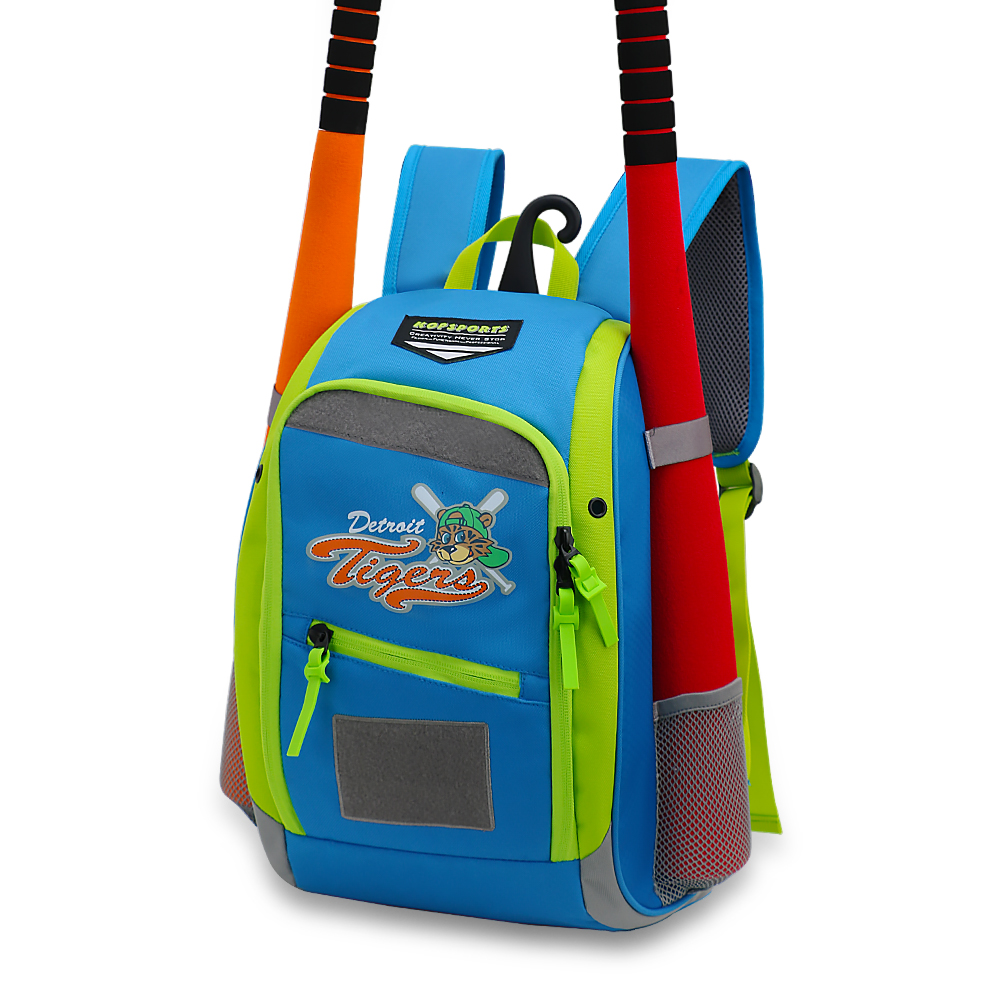
A roller baseball bag is not automatically the right format for every player. A compact backpack may be easier for a short walk, a light practice load, narrow storage areas, or facilities with many stairs. The choice should reflect the full movement pattern: how far the player walks, what equipment is carried, what the ground is like, and whether the bag must be lifted frequently.
In other words, wheels are a tool, not a substitute for sensible load management. The strongest ergonomic result comes from matching the baseball bag to the actual route and packing routine.
Conclusion
The main ergonomic benefit of a roller baseball bag is that it lets wheels support the load during much of the trip, reducing sustained carrying on the shoulders, back, and hands. It can also support a more organized routine, easier access to equipment, and a more balanced way to move a growing gear kit. To get those benefits, check the handle, wheel path, loaded stability, and lift points with the player’s real equipment inside. A baseball bag that rolls smoothly and packs predictably can make the travel-to-field routine less demanding without making promises that one format suits every situation.


 Hot News