 EN


How to separate dirty turf cleats from clean jerseys inside a lacrosse bag?
After a wet practice, the difficult part is not getting everything into a lacrosse bag. It is getting home without turf, mud, and damp odor transferring from cleats to the jersey you want clean for the next session. The practical answer is to treat footwear as a separate, temporary “dirty zone,” then follow a short clean-and-dry routine before the lacrosse bag is closed for long storage.
From a team equipment coordinator’s point of view, the packing routine matters as much as total capacity. A large main compartment can help—more precisely, it helps only when the items inside have predictable places. If cleats share open space with folded clothing, a roomy bag simply gives dirt more places to travel.
Start with a two-zone packing plan
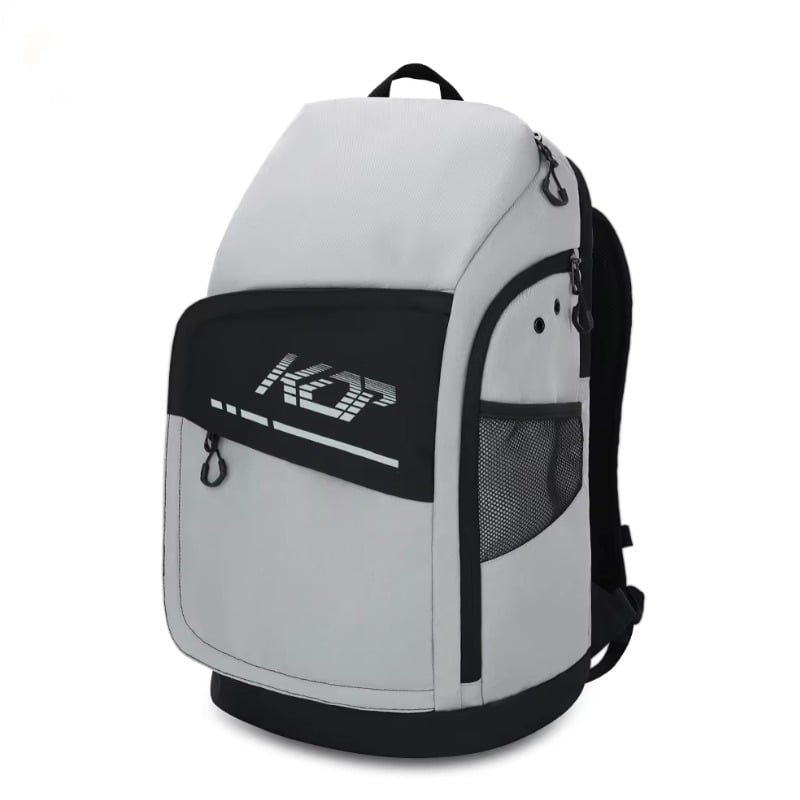
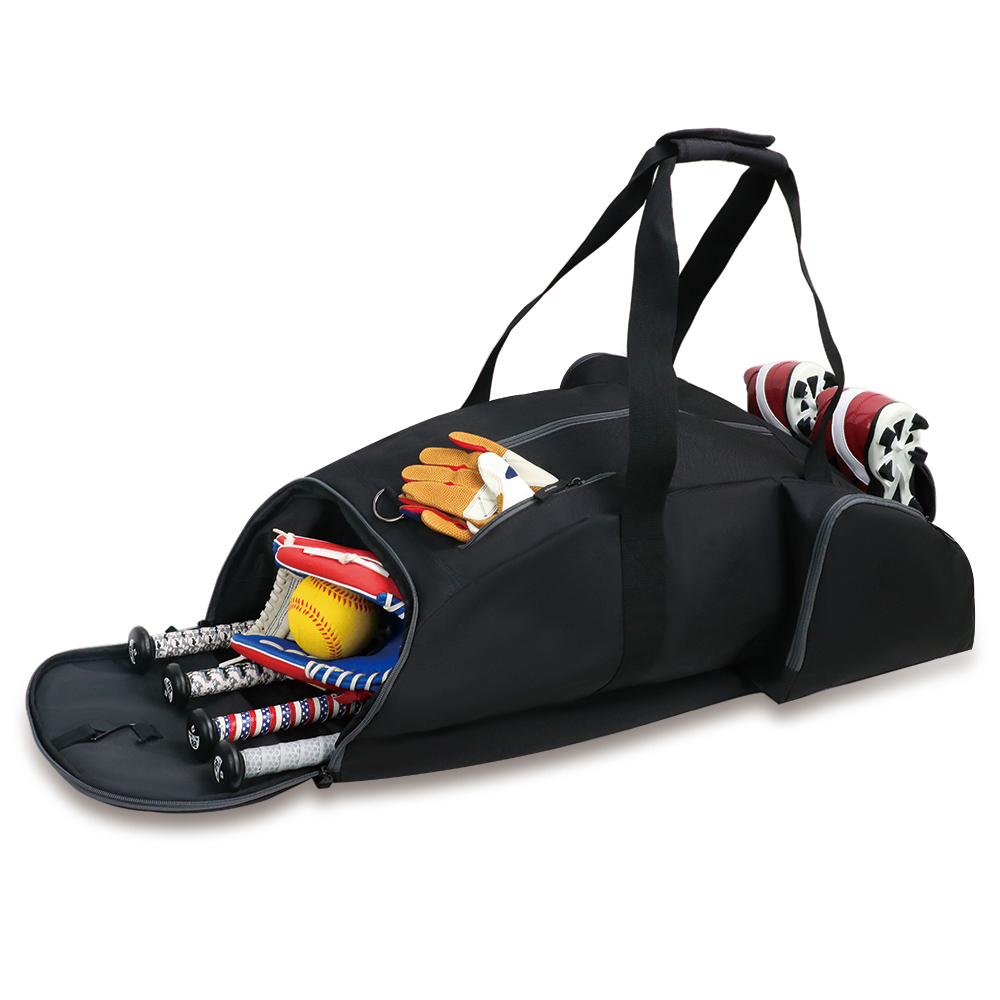
Assign one zone in the lacrosse bag to clean, dry fabric and another to footwear in the lacrosse bag that has touched the field. The footwear zone can be a dedicated shoe compartment, a separate zip pouch, or a washable drawstring bag placed at the bottom of the main compartment. What matters is a physical barrier between the cleats and the jerseys.
- Clean zone: Fold jerseys, shorts, socks, and a towel in a dry packing organizer or a closed plastic-free fabric pouch.
- Dirty zone: Keep turf cleats sole-down in a compartment with a wipeable lining, or inside a removable shoe sack.
- Quick-access zone: Put water, mouthguard case, tape, and keys in a small pocket so you do not open the clothing area at the field.
More pockets are not automatically better. For this use case, one clear footwear zone and one protected apparel zone usually make the unloading routine easier than many shallow pockets. If a player changes clothes at the field, the clean zone should be the last section opened and the first one closed again.
Remove loose turf before cleats enter the bag
The simplest control point happens before the cleats touch the lacrosse bag. Knock the soles together outside, brush off loose turf and mud with a dedicated soft brush, and check the studs and sidewalls. This small step reduces the debris that would otherwise settle in the lining, zipper track, or jersey compartment.
For visibly muddy footwear, keep a small reusable cloth in the dirty zone and wipe the outside before packing. Avoid saturating the cleats inside the lacrosse bag: a wet cleaning job creates a moisture problem even when the dirt is contained. If a deeper wash is needed, use a mild cleaning solution at home and let the shoes air-dry before they go back into regular storage.
Choose the right barrier for the amount of dirt and moisture
A dedicated shoe compartment is convenient because it keeps the separation built into the bag. Still, its usefulness depends on the compartment being isolated from the apparel area and easy to wipe clean. If the divider is thin or open at the top, a removable shoe sack adds a second layer of containment.
| Situation | Useful separation method | What to check |
|---|---|---|
| Dry turf and light dust | Dedicated shoe compartment | Confirm the lining can be brushed or wiped out. |
| Mud on the soles | Washable shoe sack inside the footwear compartment | Keep soles down and clean the sack after use. |
| Damp cleats after rain | Breathable shoe sack plus a temporary air-out period | Do not seal the bag for the rest of the day. |
| No footwear compartment | Removable tote or drawstring bag at the bottom | Keep folded jerseys above it in a closed organizer. |
A plastic grocery bag may contain mud in an emergency, but it can hold moisture against the shoes. Use it only for the trip home, then remove the cleats and let both the bag and footwear air out. That is the capacity side of the decision. The next question is whether the arrangement stays manageable after repeated practices.
Pack in the order you will unpack
Use a repeatable sequence: first clear loose debris from the cleats, then place them in their dirty zone of the lacrosse bag; next put clean jerseys in their closed fabric organizer; finally add high-frequency small items to exterior pockets. The sequence keeps the clean items from being handled after you have touched wet or dirty footwear.
- Open the footwear section or place the shoe sack on the ground.
- Brush or knock off loose turf before handling the clean clothing.
- Place cleats sole-down, then close the footwear barrier in the lacrosse bag.
- Put jerseys and socks into the clean zone without laying them on the ground.
- At home, remove cleats first and leave the lacrosse bag open until the footwear area is dry.
This may be less important after a short, dry practice, although it can matter a great deal on tournament days when uniforms, snacks, and several pieces of gear stay packed for hours. What does the player need to remove first after arriving home? Build the order around that answer.
Let airflow work with separation, not against it
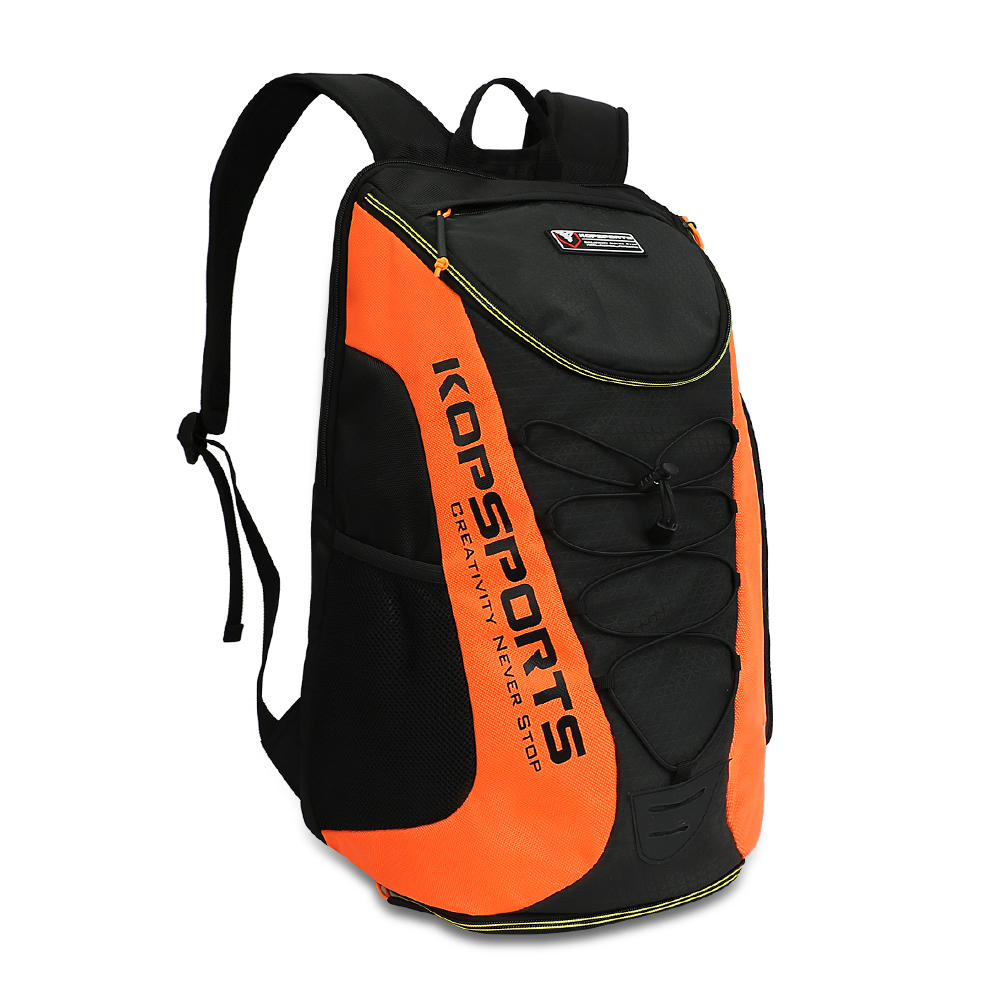
Airflow helps moisture leave the footwear area, but ventilation alone does not make dirty cleats safe to store beside clean clothing. First separate the items; then allow the footwear section to breathe. Mesh panels, a vented shoe pocket, or leaving the lacrosse bag unzipped at home can support this routine. If the cleats are soaked, take them out rather than expecting a closed compartment to dry them overnight.
Check the bottom panel and lining after rainy sessions. Dirt that escapes the shoe sack may collect underneath the clothing zone. A wipeable base or removable insert makes this maintenance task shorter, but any lacrosse bag benefits from a quick shake-out and wipe before the next practice.
Make the separation easy to maintain
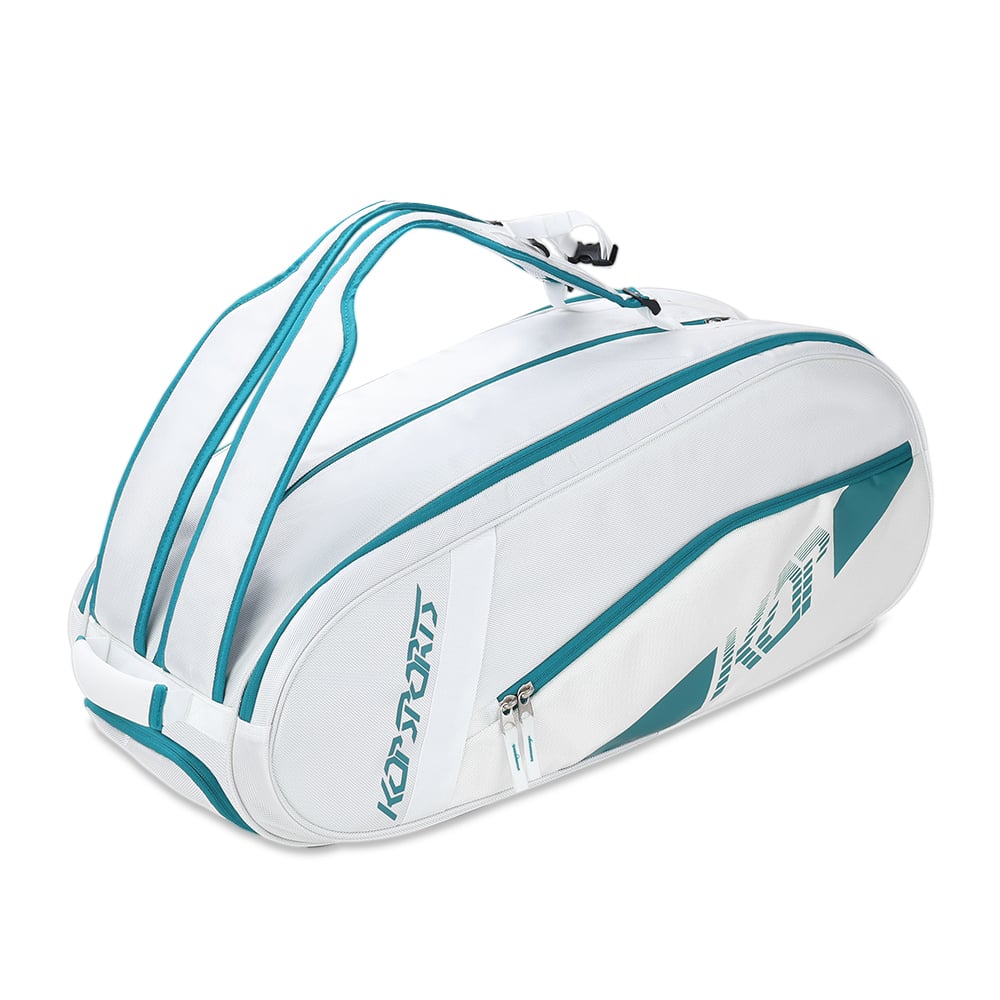
Before buying or packing a lacrosse bag, test the layout with the gear that actually returns from practice: cleats, jerseys, socks, a towel, water bottle, and any protective items. A lacrosse bag with a separate footwear area is useful when its opening is easy to reach without handling the clean kit. If the player packs on a sideline or in a parking area, a removable shoe sack can be simpler than asking them to thread muddy cleats through the main compartment.
For a team manager, the same rule scales up: put used footwear into the dirty zone of each lacrosse bag first, then load clean apparel into its own closed organizer. Keep the brush and wipe in that footwear zone. This arrangement makes the lacrosse bag easier to reset because dirt-control supplies stay where the problem begins.
Set a simple post-practice reset
A reliable reset avoids turning the bag into a storage locker for damp gear. At home, empty the dirty zone first, brush or wipe its lining, and leave it open. Move jerseys directly to the laundry or to a clean shelf. Then inspect the shoe sack or compartment for grit. This is also a good moment to restock the brush, cloth, and spare bag so the system is ready for the next field day.
For families, coaches, or teams sharing equipment, label the clean clothing pouch and footwear sack. Clear labels reduce the chance that another person drops used cleats on top of a folded jersey. The goal is not a complicated packing system; it is a routine that a player can repeat while tired after practice.
A lacrosse bag checklist for clean jerseys
- Use a dedicated shoe compartment or removable washable shoe sack.
- Keep clean jerseys in a closed pouch, not loose beside footwear.
- Brush off turf and mud before cleats go inside.
- Place wet cleats in temporary containment, then air them out at home.
- Wipe the footwear area and leave the bag open when moisture is present.
- Review the setup with the player’s actual packing order, not just the empty bag layout.
A well-organized lacrosse bag does not need a complicated layout. It needs a dependable dirty zone, a protected clean zone, and a brief reset after use. When those three parts work together, turf cleats can travel home without turning clean jerseys into the next item on the cleaning list.
 Hot News