 EN


How to air out smelly shin guards using the ventilated pockets of a soccer bag?
When practice ends in rain, heat, or a rushed school-night pickup, shin guards often go straight into a soccer bag. That is understandable, but closing damp guards inside a main compartment holds moisture and odor close to the rest of the kit. A ventilated pocket can make the trip home tidier and give the guards a short, separated airing window. It is not a substitute for drying them after you get home; it is the first sensible step in a repeatable routine.
From a team equipment coordinator’s perspective, the useful question is not simply whether the bag has enough room. Ask what comes out first after a session, where wet items wait, and whether dry clothing can stay separate. That small workflow decision matters more than filling every pocket with gear.
Why shin guards get smelly in a closed soccer bag
Shin guards collect sweat against the leg, and the foam or lining can retain moisture after the final whistle. If the pair is pushed into a packed soccer bag with socks, uniforms, and a towel, air has little room to move. The result can be a stale smell by the next training day, even if the guards look clean.
Odor management starts with moisture management. Wipe obvious dirt and sweat from the shell and backing when needed, then let both guards dry fully in a ventilated, shaded place at home. Avoid leaving them near direct heat, which may be unsuitable for some materials or adhesives. The bag helps with separation and transport; it should not become the long-term storage space for damp equipment.
Use the ventilated pocket as a post-practice staging area
A mesh-sided, perforated, or otherwise ventilated pocket on a soccer bag works well as a temporary staging area. The goal is to keep damp guards from touching clean clothing while allowing more air exchange than a sealed interior pocket provides. Use this simple sequence after practice:
- Remove the guards promptly. Do not leave them strapped to your legs during the ride home if you can change comfortably.
- Separate the pair. Unfasten straps and place the guards so their damp backing does not press tightly together inside the ventilated section of the bag.
- Keep wet and dry gear apart. Put dry socks, a clean shirt, school items, and electronics in a different compartment of the soccer bag.
- Open the pocket when practical. Once you are home, unzip the ventilated pocket of the bag and remove the guards rather than leaving them there overnight.
- Finish drying outside the bag. Lay the guards in a shaded, airy place with the inner sides exposed.
This sequence follows the same principle used in a well-organized equipment workflow: the damp item gets an assigned route instead of becoming an afterthought at the bottom of the bag.
How to position the guards for better airflow
The position inside the ventilated pocket matters. If both guards are stacked face to face, the damp surfaces still trap moisture. Put them back-to-back or side by side when the pocket shape allows it. If your soccer bag has a shallow exterior mesh pocket, slide one guard behind the other with a small gap rather than compressing the pair.
Do not pack a wet towel, cleats, or a water bottle tightly against that pocket. A ventilated soccer bag pocket cannot circulate much air if its outer mesh is covered by other gear. For players carrying a full training load, capacity is only one part of the decision. The next question is whether the items remain reachable and separated when the bag is full.
A practical after-practice routine
Build the routine around the earliest packing moment. Before leaving the field, take off the shin guards, loosen their straps, and place them in the ventilated section of the bag. Keep your clean layer and personal items in a dry area. At home, remove the guards first—before unpacking the rest of the bag.
If the guards are only sweaty, let them air dry fully. If they are muddy or visibly soiled, follow the care instructions from their maker and use a mild cleaning method appropriate to the materials before drying. A quick weekly check is usually easier than waiting for odor to build. What does the player need to remove first after arriving home? For this routine, the answer should be the guards, not the water bottle or the jersey.
What not to do with a soccer bag ventilation pocket
- Do not seal damp guards in an inner zip pocket. The ventilated area of a ventilated bag is the better short-term choice.
- Do not leave guards in the bag for days. A vented pocket supports the trip home; it does not replace open-air drying.
- Do not use the pocket as a mixed laundry bin. Wet socks and towels can block the airflow around the guards.
- Do not rely on fragrance to solve a moisture problem. Clean and dry the guards rather than masking the smell inside the bag.
- Do not place gear on a strong heater without checking care guidance. Gentle air movement in a shaded location is the conservative option.
Choose pocket placement around your real routine
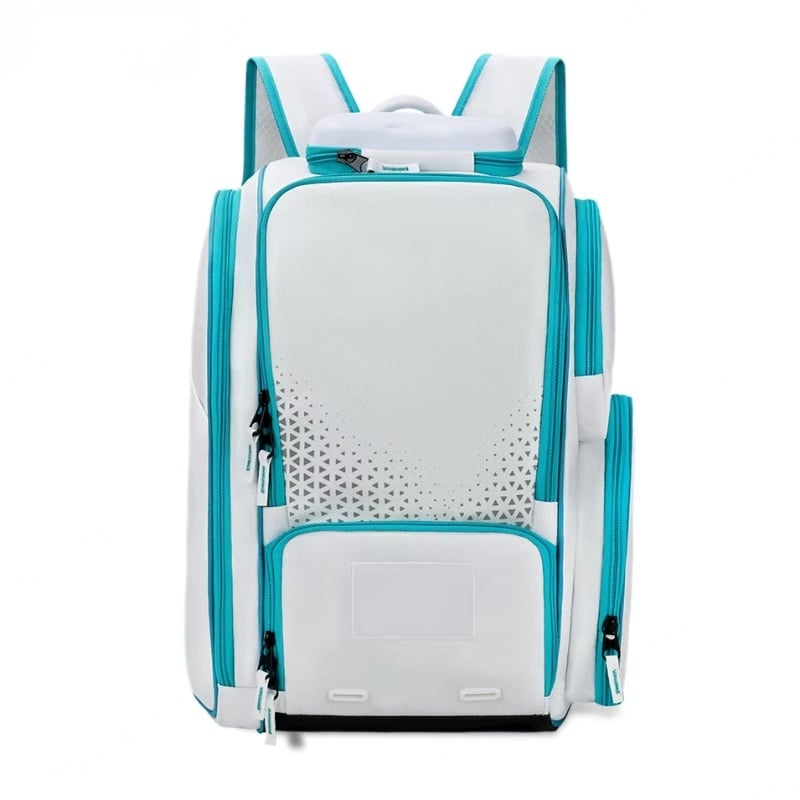
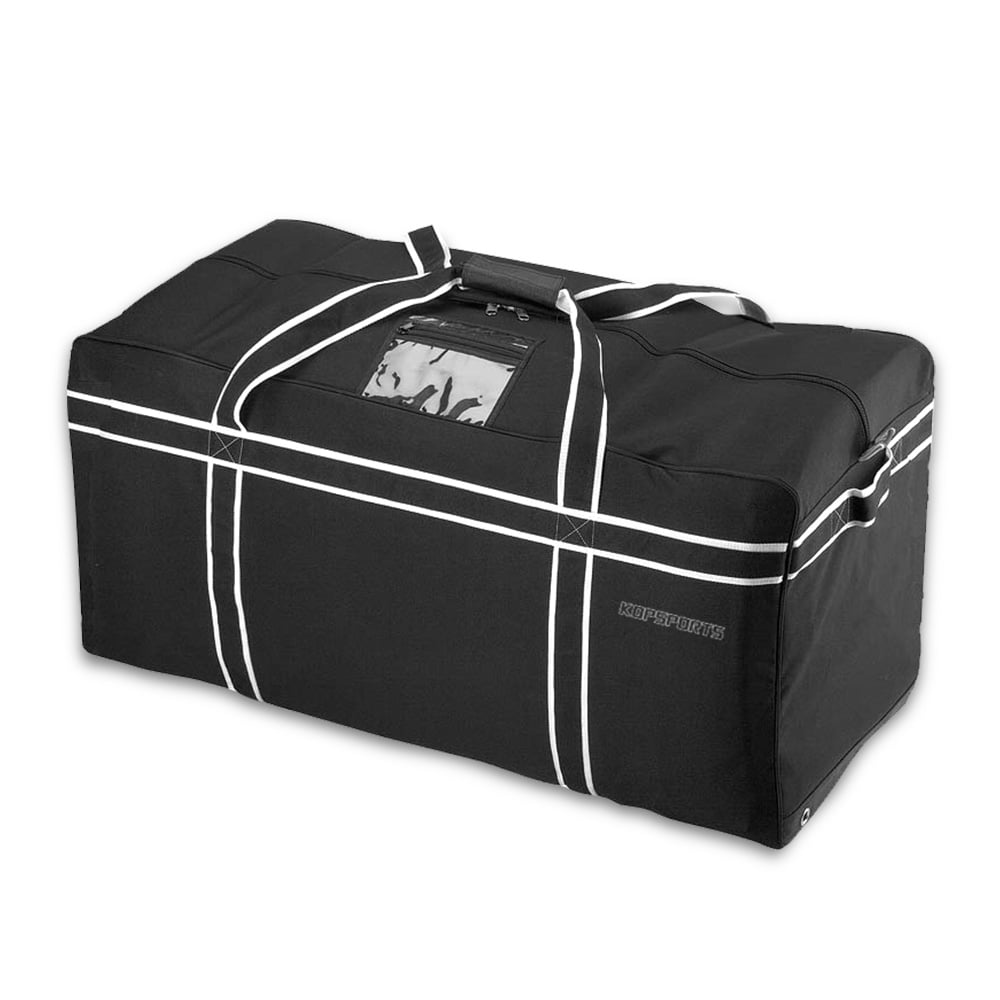
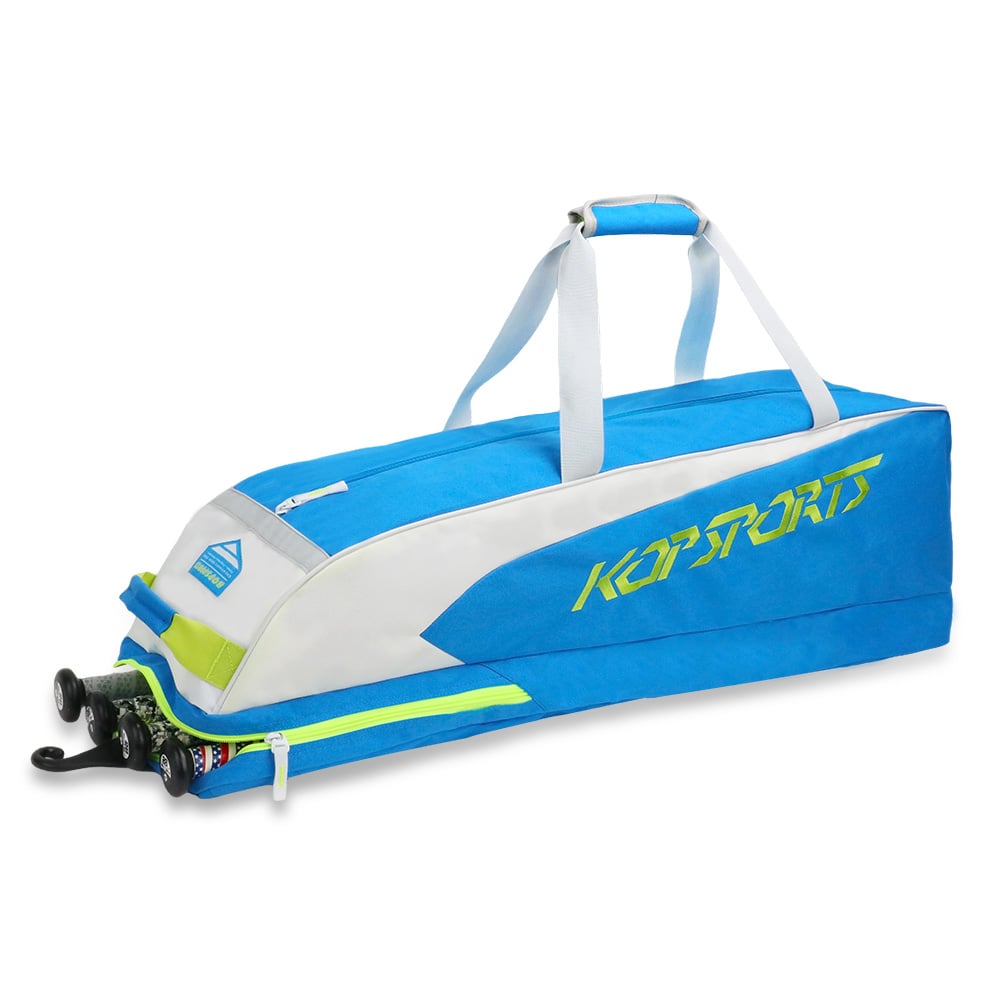
Not every soccer bag has the same layout. A backpack may place the ventilated section at the side or bottom, while a duffel may put it at one end. Neither format is automatically better. Choose the layout that lets the player reach the guards quickly, keep them apart from dry kit, and unpack them without turning the whole bag upside down.
For a team, labeling or assigning a ventilation pocket can reduce mix-ups when several players’ items are handled at once. For one player, a consistent pocket creates a useful habit: guards go into the ventilated area of the bag, then come out to dry as soon as the trip is over. That is a modest change, but it keeps the equipment routine clear.
Final check before the next session
Before repacking, touch the lining and straps. If they still feel damp, give the guards more time outside the bag. If odor persists after appropriate cleaning and complete drying, review the maker’s care instructions or replace worn components as needed. A ventilated pocket is most useful when it supports a full routine: separate damp shin guards after practice, air them out during transport, dry them fully at home, and repack the bag for the next session.



 Hot News