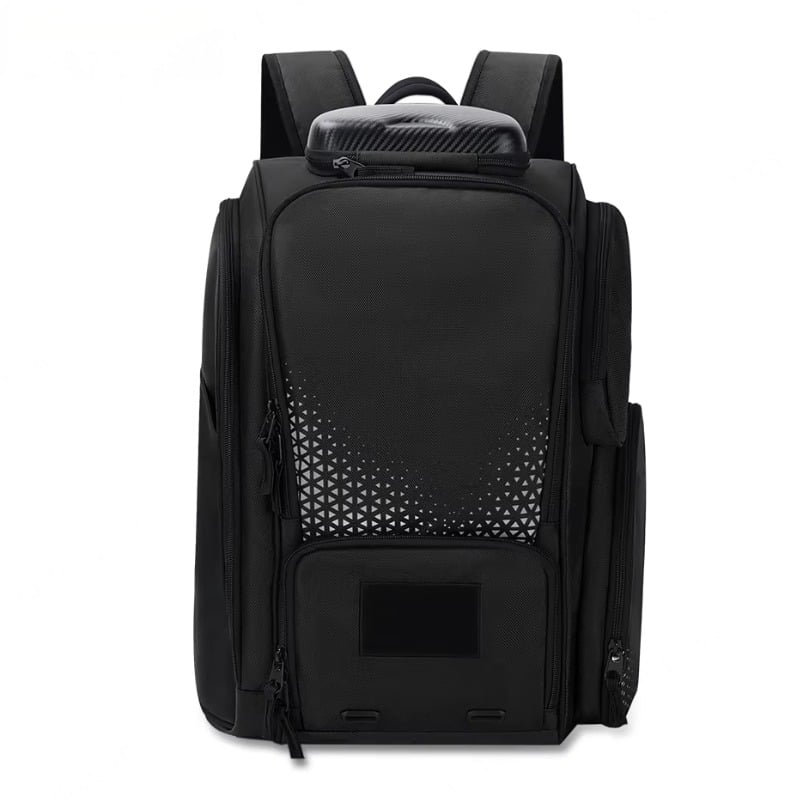
Stepping onto the court and having to dig for your gear and supplies is not a good way to start a match. You fumble for the balls while your shoes, dry clothes, and any other loose items are scrambled to avoid scuffing your racket. The root of this problem is usually the size of your bag. Picking A backpack for your tennis needs is not just about picking the biggest bag, it's about finding the ideal balance between size, compartmentalization, and comfort. Selecting a bag that is too small will leave you frustrated and without the requisite supplies while a bag that is too big will simply become an encumbering nuisance. So, what is the solution to finding the median? The solution is entirely contingent on the use of your most important piece of equipment: your racket. The ideal size backpack for your tennis racket and other gear is the one that matches your average gear load and that provides a significant level of protection and a with a high level of mobility.
This guide will help you to really understand what you need and find the best solution to improve your game day experience and what to consider from the number of rackets you have to extra items.Making sure your rackets fit well is the first thing to think about.
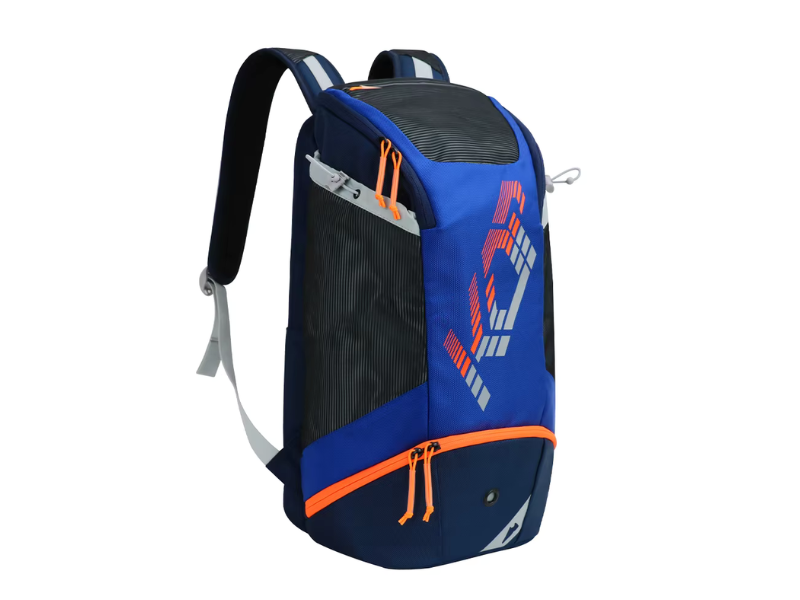
Before anything else, you need to focus on your tennis racket—it is the most critical and valuable piece of equipment on the court. If a backpack fails to accommodate your racket properly, it’s a poor investment.
First, clarify:how many rackets do you need to carry?Most players bring at least two to matches or practice—a backup is indispensable if a string snaps during intense rallies.
Non-Negotiable Feature: Padded Dedicated Compartment
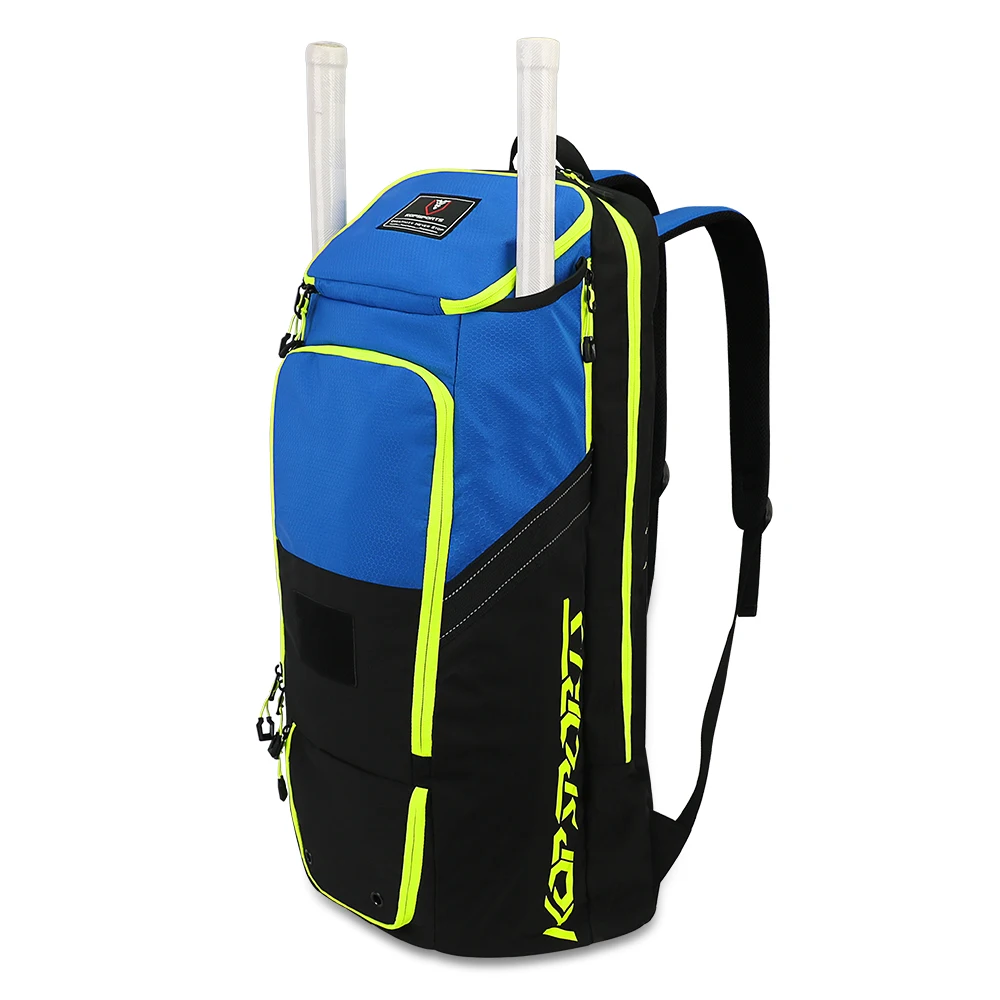
Always choose a backpack with apadded, racket-specific compartment. High-quality tennis backpacks typically have a soft-lined racket pocket at the back, capable of holding 1-2 rackets. This design:
Isolates rackets from other gear to prevent frame scratches (caused by collisions with hard items like water bottles or keys);
Absorbs shock from uneven surfaces when placing the backpack, protecting the racket’s structural integrity.
Never store rackets in regular zippered compartments—long-term improper storage will damage the frame and degrade performance.
A designated racket pocket not only keeps gear organized but also largely dictates the backpack’s overall size. Ensuring your racket fits comfortably is the foundational step in selecting the right backpack.
After confirming the number of rackets you’ll carry, the next critical step is to map out all other essential items. A tennis backpack is far more than a racket holder—it functions as yourpersonal gear hub. The simplest way to determine the right bag size is to create a checklist of your must-have items. Below is a categorized breakdown of common gear and their storage requirements:
Most players travel in casual shoes and change into court shoes on-site to keep shoe soles clean and ensure comfortable transit. For this reason:
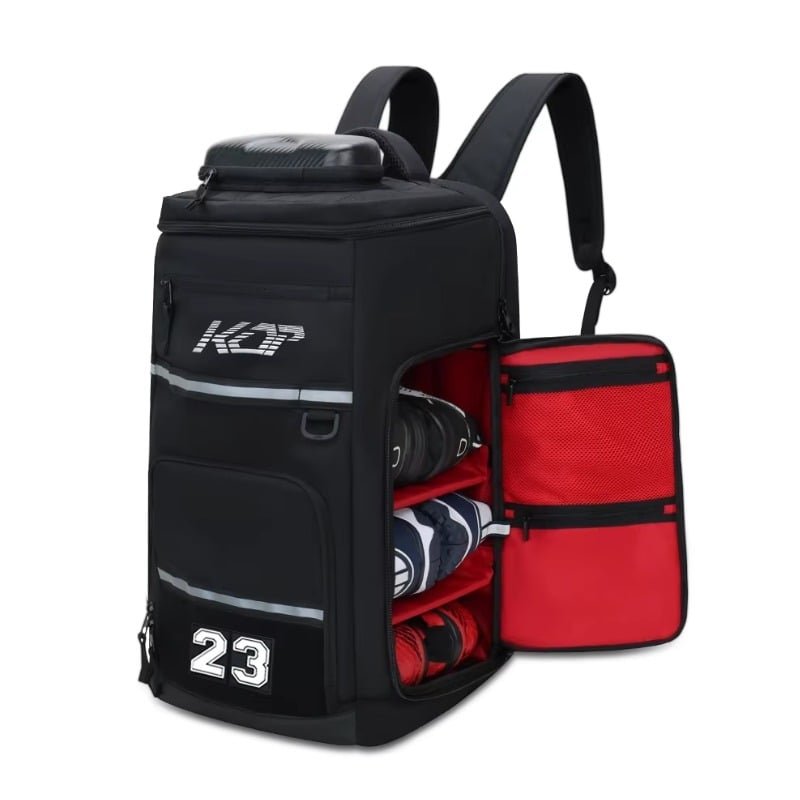
Look for a backpack with aspacious, ventilated shoe compartment—ideally located at the bottom.
This feature is non-negotiable for hygiene and odor control: it isolates dirty, sweaty shoes from clean clothing and rackets, preventing cross-contamination and unpleasant smells.
A standard 3-ball canister takes minimal space, but serious practice may require a tube of balls or loose extras.
Opt for a dedicated small pocket or elasticized compartment to keep balls stable—avoiding them rolling around and damaging other gear.
Plan for clothing and accessories like:
A full change of clothes (for post-match comfort)
Towel, sweatband, visor, or hat
Ensure the main compartment has enough volume to accommodate these items without cramming.
Water bottle: A side mesh pocket is ideal for easy reach and to keep the main compartment dry.
Small valuables: Multiple zippered pockets are a must for phones, wallets, keys, and overgrip tape.
Quick-access items: A small zippered pocket on the front flap is perfect for key cards, energy bars, or lip balm—no need to rummage through the main compartment.
If you frequently transition from work to the court:
Choose a backpack with apadded laptop sleeve(compatible with most 13-15 inch laptops).
This feature blends functionality with professionalism, letting you carry work gear and tennis equipment in one bag.
Key Consideration: Total Capacity
All these items add up—your backpack’s main compartment must offer enough space to hold everything without feeling overstuffed or at risk of bursting. The goal is to balance “room to spare” with “no unnecessary bulk,” ensuring the bag remains manageable while meeting all your storage needs.
The backpack’s exterior measurements and design are just as critical as its internal volume. A bag might offer ample storage space but feel overly bulky—problematic since you’ll likely carry it for extended periods (e.g., a long walk from the parking lot to the court). Poorly designed bags become a hassle to transport and may even deter you from using them regularly. Prioritize comfort and practicality with these key features:
Look for a backpack with afoam-padded back panel + breathable fabric. This combination prevents excessive sweating on your back during transit and adds a layer of cushioning against the weight of your gear.
Opt for straps that are:
Wide and thickly padded (to reduce pressure on shoulders);
Fully adjustable (to customize fit based on your torso length).
A well-designed strap system distributes weight evenly across your upper body, minimizing fatigue and back soreness—even when the bag is fully loaded.
Avoid backpacks that are overly tall, wide, or boxy. These can throw off your balance and feel cumbersome to carry. The best tennis backpacks are athlete-centric: streamlined in shape and proportionate to your body, ensuring they feel lightweight and non-restrictive.
When testing a backpack:
Ensure the weight feels balanced and the bag sits close to your body (no backward pulling);
For full-load use, inspect the durability of the carrying system (straps, stitching, and hardware). A robust system directly impacts your on-court readiness—arriving fresh and energized instead of tired from hauling gear.
When evaluating a bag's size, look beyond the volume. Consider the layout and how the space will be utilized. A larger bag with poor organization will feel smaller and more disheveled than a smaller bag with more thoughtful design. This is where the materials and internal design come into play.
The materials will dictate how well the bag maintains its shape and how long it will last. An abrasion-resistant bag with a shell of high-density fabric like Poly1680D is going to last a long time. This fabric also prevents impacts on the gear stored inside. The inside of the bag should have a Poly210D lining to add durability and reduce wear and tear from the bag's interior.
Now, let's get into organization. A fully opening main compartment will help you see and access all contents, unlike a top-loading design where items get lost at the bottom. Look for a zippered mesh pocket on the divider of this main compartment—this is great for documents, a notebook, or a thin sweater. A specialized laptop sleeve is also important for modern players who need to carry work or training devices.
Aside from the separate sections a backpack offers, you also want to consider the efficacy of the zippered compartments. Smooth, easy-to-grab zippers avoid frustration and allow quick access to your items, and a bag's layout should always feel balanced. Store rackets in the back, leave the bottom for shoes, arrange clothes in the main compartment, and keep valuables in zippered privacy pockets. Smart spatial distribution means you can opt for a sleeker backpack since every item has its own home, eliminating clutter from inefficient packing and ensuring both the backpack and its contents fit comfortably.
The best size of the tennis backpack is one that best fits the lifestyle, habits, and tennis routine of every individual. There is no one answer that fits all.
Considerations include: Are you a fairly relaxed player who only needs to bring the essentials and stays for a couple of hours? If yes, a small backpack that can hold a couple of rackets and essentials like a pair of shoes and a water bottle will do just fine. If you are a competitive player or a coach who spends all day at the club, you will require something larger that can fit multiple rackets, a change of clothes, a towel, some snacks, and a laptop. Do you have a busy schedule and travel to the club from elsewhere? If so, a backpack with a laptop sleeve and a professional look is most suited for you. If you tend to carry a lot of things, extra space is better than constantly struggling to close an overstuffed bag. Keep in mind that the backpack will be a long-term partner in your tennis journey.
Considering what you'll need the backpack to hold for the next few years is the best way to ensure long-term satisfaction with your decision. Every trip to the court becomes easier with a backpack tailored to your needs, and the personalized feel will make it seem like it was made just for you.
In short, to find the right-sized backpack for your tennis racket, you need to match the bag's size and features to your specific equipment and lifestyle—starting with how many rackets you need to fit. Once that’s settled, you can consider space for shoes and apparel, and finally, any personal items you need to store. Many factors come into play, such as weight distribution and whether the fabric can withstand wear and tear. Don’t just look at a bag’s listed volume; be sure to research the layout and compartment sizes of your shortlisted options. By making these considerations, you’ll select a bag that fits everything you need, and in turn, keep your love for the game at the forefront. You’ll feel a sense of ease walking to the court with all your tennis gear neatly stowed, and a sense of confidence that comes from being well-organized.

 EN
EN

 Hot News