A split seam on a gym bag usually shows up at the worst moment: a handle yanks loose in a parking lot, a wheel housing tears near a curb, or a duffel gives way after a flight. The root cause is rarely one dramatic event. It is usually a small drift in materials, needle condition, thread tension, stitch density, or seam allowance that passed through the line unnoticed. Strict quality control checks matter because they turn hidden variables into visible data before bags reach a customer. The goal is not just to reject bad units. It is to catch process drift early enough to correct it.
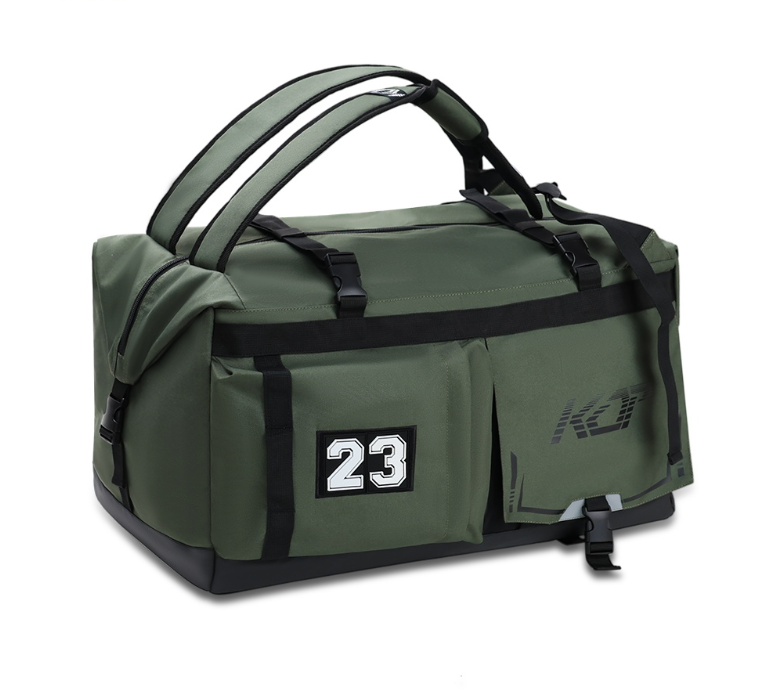
A sewn seam is a load-sharing system. Fabric, thread, stitch pattern, and seam allowance all carry stress. When a bag is lifted, the load runs through the handle, webbing, bar tacks, and surrounding fabric. A balanced seam spreads that load across many stitches. A weak seam concentrates stress on a few points, and the fabric or thread starts to fail.
Seam efficiency compares seam strength with the strength of the fabric itself. A seam can look neat and still have low efficiency if stitch density is too high for the coating, if thread tension is uneven, or if the needle has dulled and cut the yarn. Coated polyester and nylon, common in gym bags, add another wrinkle. The coating resists abrasion, but it also traps needle heat. A hot needle can enlarge stitch holes, and those holes become tear starters under repeated load. Published seam test methods such as ASTM D1683 and ISO 13935-2 exist because visual inspection alone cannot predict this behavior.
No final inspection can rescue a bad material lot. Strict quality control starts with incoming tests on fabric tensile and tear strength, coating adhesion, thread tenacity, webbing strength, and zipper tape stability. Low coating adhesion can delaminate around stitch holes. Inconsistent webbing elongation makes the handle and bag body pull against each other instead of sharing load.
A practical example came from a warehouse audit in a humid southern port city. A batch of coated polyester duffels passed a visual check, but after 48 hours under stacked compression, seam grin appeared near the handle anchors. Needle heat and thread tension drift had enlarged stitch holes in the coating, not the fabric. Incoming material records helped isolate the lot, and in-process tension checks exposed the drift. Without those checks, the issue would have shipped as random seam splits.
The production line is where seam quality is held or lost. Useful checks include stitch density, seam allowance, thread tension, needle size and condition, stitch balance, and bar tack penetration. A common target for many bag seams is 11 to 13 stitches per inch, but the right number depends on fabric weight and coating. Pushing stitch density higher without adjusting needle size and tension can lower seam strength.
A simple control plan works better than a pile of inspections. 1. Set the stitch and tension recipe by material. 2. Check the first piece and every material change. 3. Audit mid-run samples at defined intervals. 4. Replace needles on a count, not on a hunch. 5. Log every adjustment so a shift change does not reset the process.
Finished bag testing should mimic real use. Static load, cyclic lift, seam tensile, and abrasion checks answer different questions. Seam tensile testing shows whether the stitch line is balanced. Cyclic loading shows whether small holes grow. Handle and wheel housing tests show whether load paths are reinforced.
| Control point | Common drift | Strict QC check | Why it matters |
|---|---|---|---|
| Stitch density | 8 to 10 stitches per inch on coated fabric | Verify 11 to 13 stitches per inch where the material recipe calls for it | Too few stitches concentrate load; too many can cut the coating |
| Needle condition | Dull or overheated needle | Count-based needle changes and heat checks | Reduces enlarged stitch holes and yarn damage |
| Thread tension | Loose bobbin or tight upper tension | Tension gauge and seam cross-section review | Prevents looping, puckering, and weak lock formation |
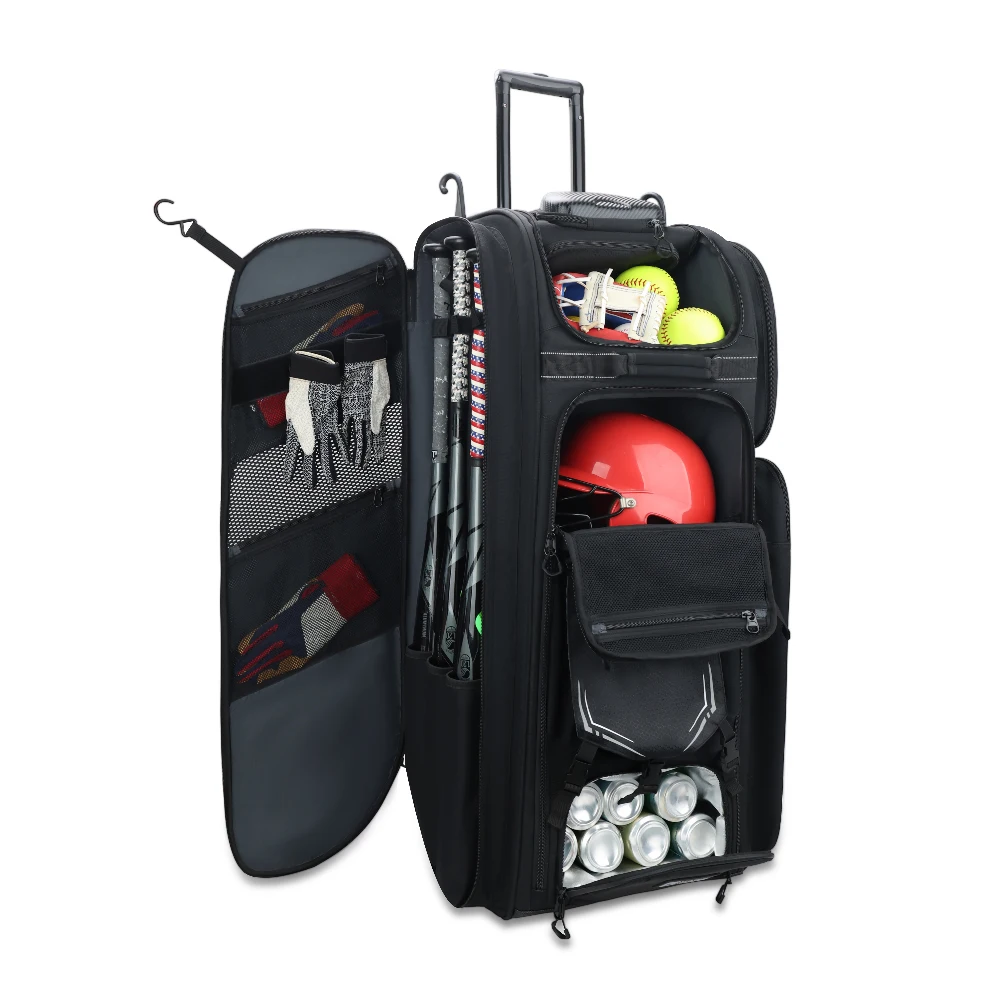
| Handle and wheel anchors | Bar tack missed or shallow | Pull test and penetration check | Targets the highest-stress zones in wheeled bags |
These checks do not make a bad design good. A poorly placed or under-reinforced seam will still struggle. Most destructive tests are sampling tools, not a 100 percent screen, so the system has to combine process control with final inspection.
A strong quality control system links material records, line settings, in-process audits, and final testing into one traceable chain. Each bag should pass a standardized testing process before release, with uniform checks for material durability, craft accuracy, and structural stability. The system keeps one shift from applying a different standard from another. When a seam issue appears, the batch can be traced to a needle change, thread lot, or tension adjustment instead of being treated as bad luck.
KOP’s production base reflects that control environment. Annual output exceeds 6,000,000 pieces, about 40 percent of which are wheeled bags, supported by thousands of skilled workers and professional roller equipment. The value for buyers is not a promise that seams never fail. It is a system where seam risks are tested, logged, and corrected before gym bags leave the facility. Strict checks prevent seam splitting by making the process predictable, not by inspection alone.

 EN



 Hot News