 EN


Separate ball and shoe compartments in a basketball backpack keep clean team uniforms spotless.
Before a team leaves for a game, a clean uniform often shares a bag with a ball, shoes and a water bottle. After practice, the same items may return covered in court dust or moisture. A basketball backpack with separate spaces can reduce direct contact between that equipment and clean clothing. It cannot promise a spotless uniform on its own: the divider, packing routine and condition of each item all matter.
For a team equipment coordinator, the useful question is not simply how many pockets a bag has. Can a player load the ball and shoes without pushing them against a folded jersey? Can the jersey still be reached when the other spaces are full? Following the route from packing to unpacking makes the answer clearer.
Start with three distinct packing zones
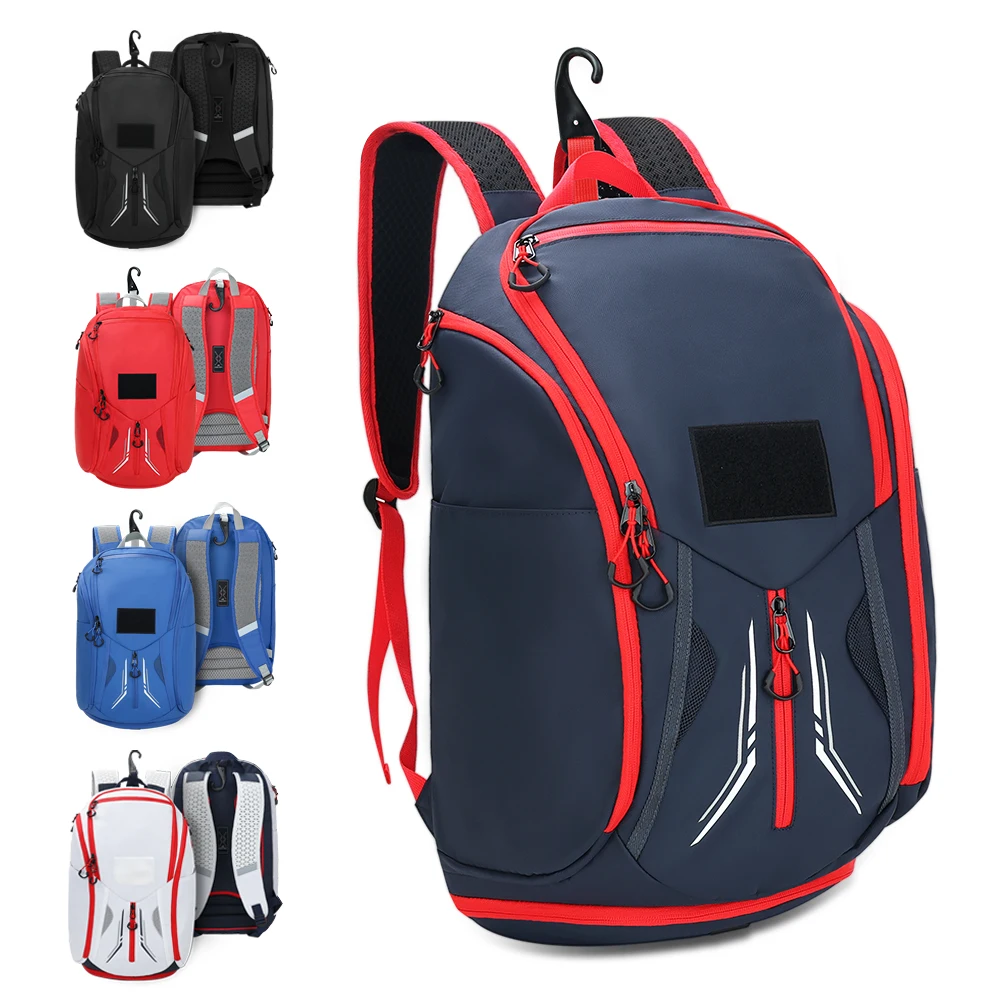
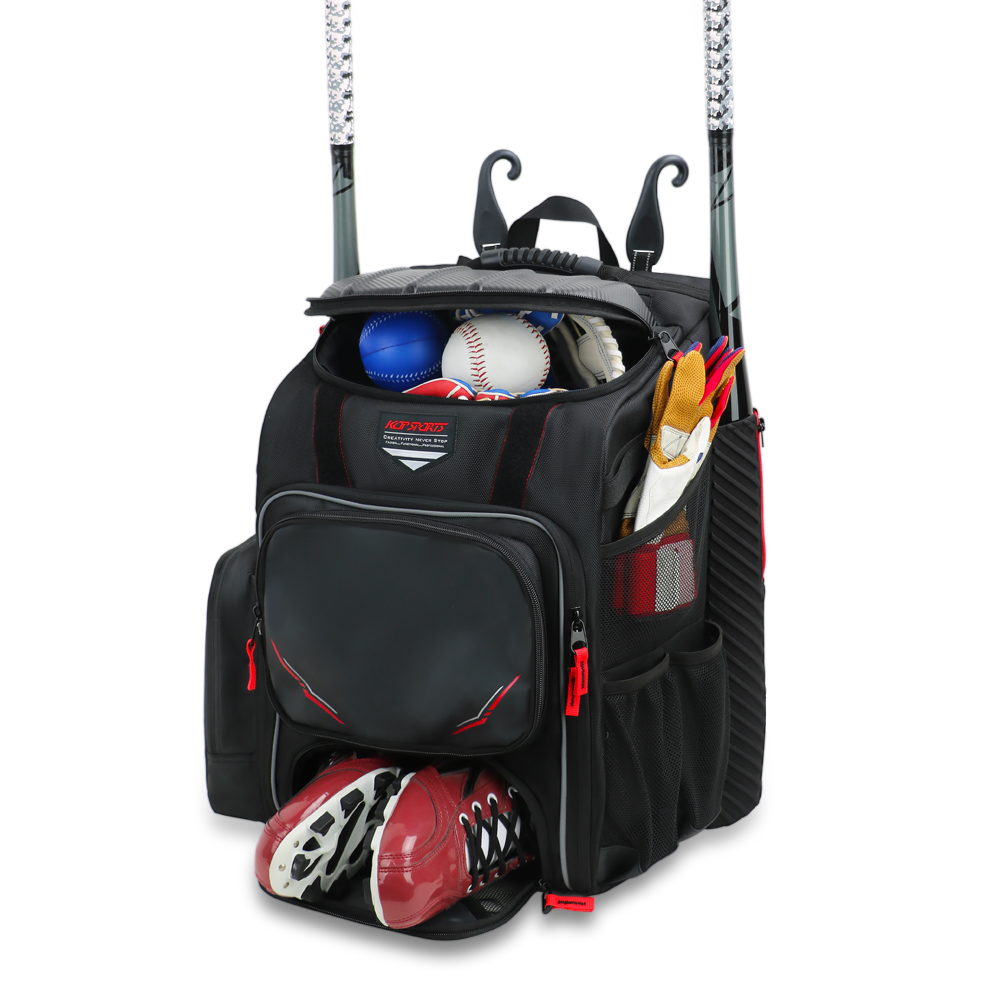
A practical basketball backpack layout gives the ball, footwear and clean clothing their own assigned spaces. The ball might sit in a front compartment or an exterior holder. Shoes might enter through a separate side or bottom opening, while a main compartment holds the uniform. A divider needs to form a meaningful barrier between the shoe area and the clothing area; a label on a pocket alone does not establish that separation.
Check where each zipper leads. Two entrances can still open into one shared cavity, and a flexible divider may sag when the bag is loaded. Look inside the sample and trace the seams around the shoe space. Ask whether dust can move through gaps near the opening and whether the divider extends across the surfaces that touch the uniform.
If a basketball backpack uses an exterior ball net, the ball leaves more room inside for clothing. The trade-off is exposure to weather and contact with other surfaces. An enclosed compartment shelters the ball but can take space from the main cavity. Neither option fits every team; compare them against the route to the court and the items players actually carry.
Size the ball compartment with the intended equipment
Fit depends on the entry as well as the space behind it. A compartment may look roomy but have an opening that makes an inflated ball awkward to insert. FIBA's 2026 equipment rules list a circumference of 750–770 mm for a size 7 basketball. Other ball sizes differ, so use the ball specified for the intended users rather than a generic capacity claim.
Place that ball in the sample basketball backpack, close the compartment and then pack the uniform. Notice whether the ball presses into the clothing zone or blocks its zipper. Try removing and replacing the ball with the bag upright and on its side. That handling check tells you more than an empty-bag measurement, particularly when a flexible pocket shares volume with the main space.
Make the shoe area usable after practice
Footwear brings a different packing problem. The soles can carry visible debris, and used shoes may be damp. In a basketball backpack, a dedicated shoe compartment gives those items a separate route into the bag. A wide opening helps players place both shoes inside without rubbing their soles across the clean compartment. Check the largest shoe size in the target group, including the height and width of the pair, not just the length of one shoe.
A lined surface that can be wiped is easier to inspect for dirt than an inaccessible fold, but the material and care method should be confirmed with the supplier. Ventilation may help air move through a shoe space; it does not dry soaked footwear on a predictable schedule or make the bag hygienic by itself. Where the opening is vented, consider whether it faces the clean compartment or the exterior.
For a team travelling after a game, a removable shoe sack can add another layer between used footwear and the rest of the load. The sack also needs a place to dry and clean after use. Specify whether it is included with the basketball backpack rather than assuming that a compartment includes one.
Protect the clean zone without confusing separation with cleaning
Keep the folded uniform in the main section or in its own garment pouch. Close that section before loading shoes, and avoid placing clean clothing on the same bench area used for dirty soles. If a bottle travels inside the bag, give it a secure pocket or check its closure before placing it alongside the uniform. A divider intended for dust is not automatically a leakproof barrier.
The CDC advises athletes to wash and fully dry uniforms, towels and clothing after each use. A basketball backpack helps organize items during transport; it does not replace laundering, routine bag cleaning or drying damp equipment. After arrival home, empty used items promptly and follow the care instructions for the bag and clothing. That routine reduces the time moisture and residue sit inside a closed bag.
Test the layout as a team, not just as an empty sample
When comparing a basketball backpack for a club or a branded program, assemble a representative load: the selected ball, the largest shoe pair expected, a folded uniform, a bottle and any required personal items. A small sample review can reveal whether everyone can access their gear in the intended order.
- Load each zone. Insert the uniform first, then shoes and ball. Close every zipper without forcing it.
- Check the barrier. Inspect where the shoe divider meets the lining and whether the ball displaces the clean zone.
- Rehearse arrival. Remove the ball, then retrieve the uniform while the shoes remain packed. Note awkward openings and contact points.
- Review the return trip. Repack used shoes and clothing separately. Confirm that the bag has a clear cleaning and drying routine.
- Document changes. Record the ball size, shoe size, opening dimensions and any seam or lining adjustments requested before approving another sample.
Repeat the check with the bag on a shoulder and in the storage space it will actually use. A basketball backpack that fits a player but cannot be packed into a team locker may need a different shape. Likewise, a large shoe compartment is of limited use if its opening is hidden when the ball section is full.
Turn the test into a supplier brief
A sports brand can translate these observations into a clear basketball backpack brief. Identify the user group, ball size, shoe-size range, desired location of each compartment and the items that must stay separate. Add the expected loading sequence, preferred access direction and any requirements for a removable liner or shoe sack. Discuss fabric and construction options as choices to verify, not as automatic performance claims.
Ask a prospective manufacturing partner to identify the divider construction, the usable opening sizes and the effect of a full ball compartment on the clothing space. Request a sample for the real packing test and agree how changes will be documented. FUJIAN KOP SPORTS CO., LTD. focuses on sports bags and backpacks and serves brands seeking design and manufacturing discussion. The specific features of any proposed design should be confirmed against its sample and specification.
A well-planned basketball backpack keeps the three packing tasks distinct: store the ball, contain used shoes and give clean clothing its own accessible place. Combine that layout with careful packing and regular cleaning, and teams have a practical way to reduce unwanted contact throughout the journey.
 Hot News