 EN


How to pack knee pads, ankle braces, and tape efficiently in a basketball bag?
A basketball bag works better when it follows the order of your routine instead of becoming one large pile. Knee pads, ankle braces, and athletic tape are soft, compact items, yet they become difficult to find when they slide below a jersey, towel, shoes, and ball. An active player’s approach is simple: pack by when you will use each item, then give small support gear a protected home.
Start with a clean, empty basketball bag and a short session-specific list. Bring the supports and tape you expect to use, plus sensible spares if you regularly need them. This is an organization guide, not advice on whether a particular brace or taping method suits you. For fit, use, or injury-related questions, follow guidance from a qualified clinician or trainer.
Map the gear path before you fill the basketball bag
Think through the sequence from leaving home to the first drill. You may reach for an ankle brace before shoes, tape during warm-up, and knee pads only when practice begins. That sequence should shape the basketball bag layout. Put the items used first nearest the opening; reserve the deepest area for things you will not need until later.
Capacity matters, but access matters just as much. A basketball bag can appear roomy and still waste time if small supports disappear under bulky gear. Before packing, lay the main items on the floor in four groups:
- wear-first gear: ankle braces, sleeves, and knee pads;
- small consumables: tape rolls, pre-wrap, scissors if you use them, and spare closures;
- bulkier clothing: jersey, shorts, warm layer, and towel;
- separate items: shoes, water, ball, and post-session clothing.
This quick map shows whether your basketball bag needs one pouch, two zones, or a removable organizer. More pockets are not automatically more useful. Each pocket should answer a real access question.
Use a dedicated support pouch for braces and pads
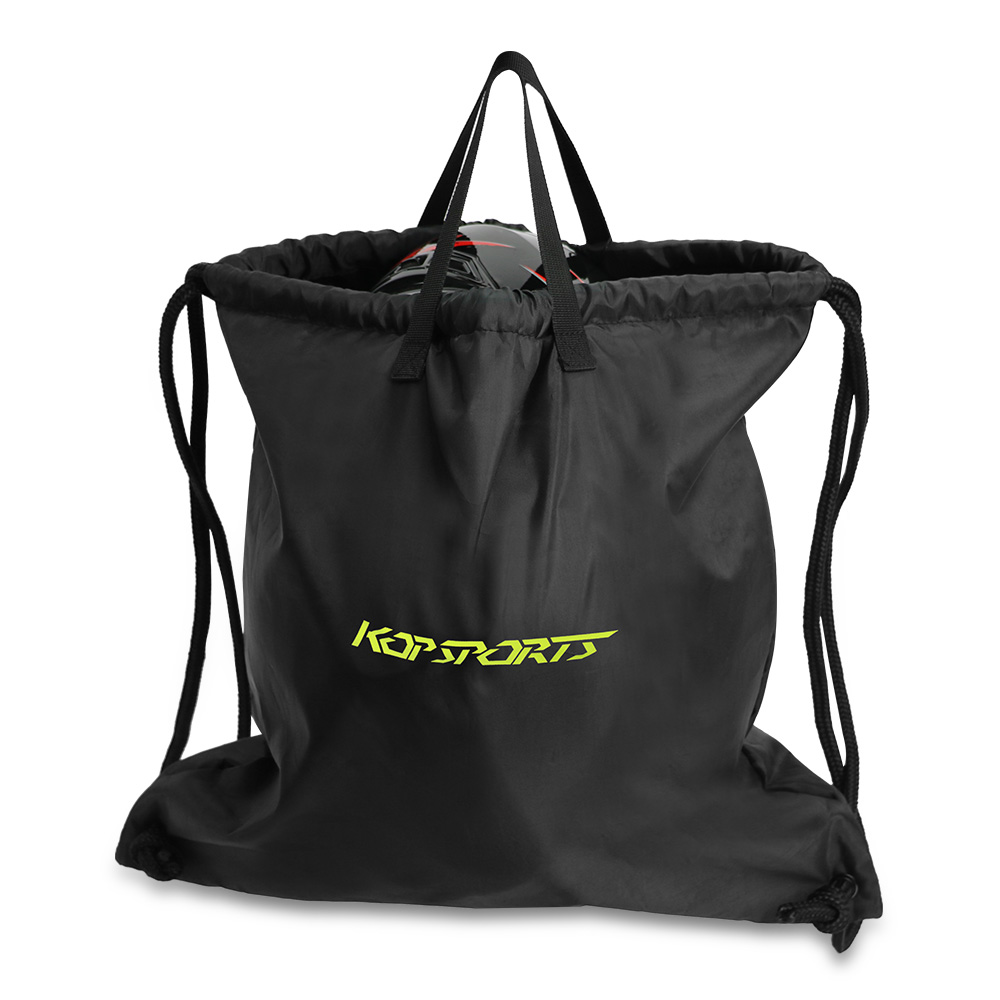
Place knee pads and ankle braces together in a breathable zip pouch or a clean drawstring bag inside the basketball bag. Fold each brace flat only if its construction allows it; avoid hard creases in stays, straps, or closures. Pair matching braces so you do not spend warm-up looking for the other side. If knee pads tend to retain moisture after use, let them air out before storing them for an extended period.
In a backpack-style basketball bag, this pouch usually belongs at the top of the main compartment or in an upper organizer pocket. In a duffel-style basketball bag, set it along one side rather than underneath shoes. The point is simple: supports should be easy to grab without emptying the whole bag.
Keep tape in a small, rigid-friendly zone
Tape rolls are easy to crush, unspool, or lose at the bottom of a basketball bag. Use a compact zip case, hard-sided organizer, or inner pocket with a secure closure. Store tape upright when the pocket shape allows, with the loose end pressed down. Add a small label or contrasting pouch color so the tape kit is visible at a glance.
Keep tape separate from damp towels, open drink containers, and loose footwear. A basketball bag does not need a dedicated medical compartment for this purpose; it needs a dry, predictable place. Check the kit before leaving: count the rolls you intend to carry and remove empty cores, old wrappers, or items you no longer use.
Pack from bulky to small, then reverse for access
A practical basketball bag packing sequence begins with the least frequently accessed bulk. Put a towel and change of clothes against the back or base of the main compartment. Place shoes in their assigned section, or use a separate shoe bag so the sole does not touch your braces and tape. Then position the support pouch near the top or side opening. Finish with the tape kit in its dedicated pocket.
- Place shoes and other heavy items in the lowest or most stable area of the basketball bag.
- Add clothing and a towel as a soft layer, leaving the opening-side zone clear.
- Set the knee-pad and ankle-brace pouch where it can be reached first.
- Put tape in its dry case or small pocket.
- Use exterior access only for items you can safely carry there, such as a water bottle or keys.
This sequence reduces the common problem of a basketball bag that is organized at home but turns messy after one change of clothes. If you must remove an item, return it to the same zone rather than putting it back wherever there is space.
Adjust the basketball bag for practice, games, and travel
Your load changes with the session. For a short practice, a basketball bag may only need one support pouch and a tape case. For tournament days, bring a labeled spare pouch so used and unused items do not mix. For travel, keep the brace-and-tape kit together as a carry-on-ready module if that matches your team or travel routine.
Do not treat every basketball bag layout as permanent. After two or three sessions, notice what you repeatedly search for and what remains untouched. Move frequently used gear closer to the opening; remove extras that create clutter. That small review is often more useful than buying another organizer.
A two-minute reset after every session
Before you leave the court, return braces to their pouch, place tape back in its case, and separate anything damp until it can dry. At home, empty used gear from the basketball bag as needed, wipe out crumbs or loose tape backing, and restock before the next session. A consistent reset means the basketball bag is ready when practice starts, not after a last-minute search.
The efficient setup is the one you can repeat: heavy gear low, clean supports together, tape dry and visible, and the items you need first closest to hand. Once the basketball bag follows your actual routine, packing becomes quick and easy to maintain.


 Hot News