Putting together a full set of ice hockey gear means grabbing around 15 essential pieces including skates, a helmet, shoulder pads, elbow pads, shin guards, gloves, pants, neck protector, jock strap, jersey, socks, plus one or two sticks. All this stuff weighs somewhere between 25 to 35 pounds (about 11 to 16 kilograms) and takes up roughly 65 to 85 liters of space when packed flat. Better quality protective equipment tends to take up way more room too. Professional level shoulder pads alone need about 40% more space compared to basic models because they have those extra thick foam layers for protection. After games, packing all this wet gear becomes a real headache since damp padding can actually expand by around 15% according to equipment managers who were asked last year. Smart storage solutions are crucial here. Players need separate spaces for delicate items like visors and clever ways to keep helmet straps from getting caught on skate blades during transport.
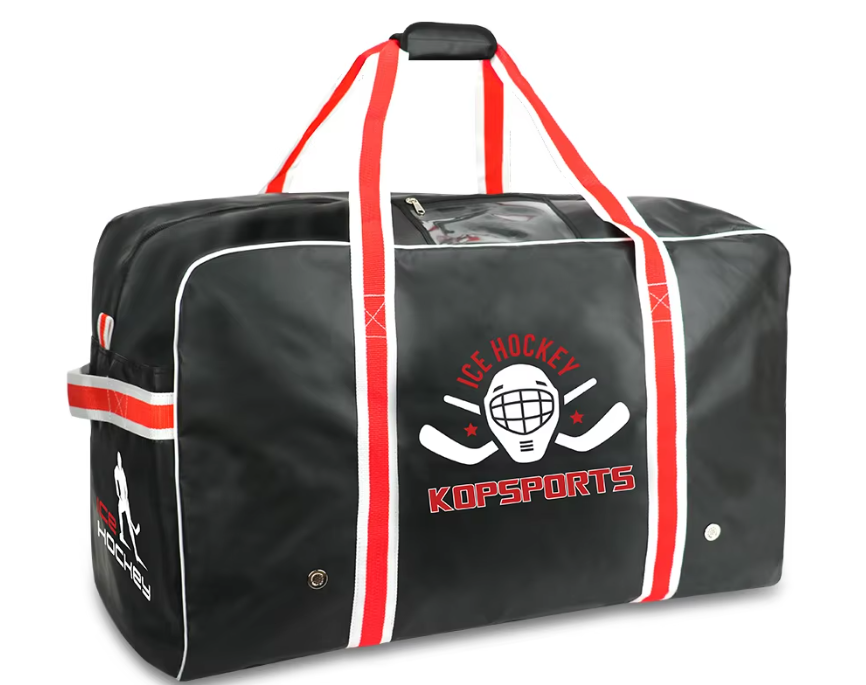
Capacity requirements scale predictably with player development:
| Player Level | Bag Volume | Key Usage Factors |
|---|---|---|
| Youth (U10) | 40–60L | Smaller gear; parental transport |
| Teen (U18) | 60–80L | Growth spurts; school-to-rink logistics |
| Adult Recreational | 80–100L | Full-sized equipment; weekly practices |
| Competitive/Pro | 100–120L | Backup sticks; tournament travel; tools |
Regular players who hit the field three times or more each week need about 20 to 30 percent more storage space compared to those who play occasionally. They tend to bring along all sorts of gear including moisture wicking clothes, spare shoelaces, and various maintenance tools. For tournament level athletes, bigger is better when it comes to bag capacity. According to a recent survey from last year's league season, around two thirds of these competitive players actually bring multiple jerseys and at least two sticks with them. What kind of vehicle someone drives makes a difference too. People with smaller cars usually go for the wheeled 80 liter bags because they fit better in tight spaces, whereas folks with trucks can afford to grab those larger 120 liter models without worrying about fitting them in the backseat. Getting organized ahead of games saves time too. Players report saving roughly eight minutes on average during their usual frantic last minute packing rush before heading out for matches.
The thickness of fabric measured in deniers plays a big role in how well ice hockey gear bags stand up to wear and tear. Ballistic nylon, particularly the 1680D variety, beats regular polyester hands down when it comes to fighting off scratches from rinks and impacts from heavy equipment inside. Most bag makers know this and will beef up areas that get the most action, such as the bottom of the bag, those tough corner spots, and where the straps attach. According to tests run by Gear Durability Lab last year, bags made with 1680D nylon can handle tearing attempts for three times longer than cheaper 600D options when subjected to repeated 50 pound weights. These reinforcements stop bags from bursting at their weakest points without making them feel like they're carrying bricks around all day.
Beyond fabric, construction determines longevity. Critical seams require:
Bags omitting these features show 67% faster seam degradation when carrying full protective gear weekly (Equipment Longevity Report, 2024). Properly engineered hockey bags maintain structural integrity across seasons of heavy use.
Managing moisture properly means having good ventilation systems that actually fight against trapped humidity problems. The dual zone airflow system keeps those wet things like gloves and base layers separate from other gear thanks to breathable barriers between sections. Mesh panels with around 60 to 70 percent openness let air move through different compartments, which helps stuff dry faster than regular fabric would allow according to some tests on textiles. When packing up, these gusseted vents get bigger automatically, making little passageways for moisture to escape even when everything's stored away. There are also special linings inside that resist condensation because they have this water repelling coating stuff on them. This matters a lot because mold starts growing pretty quick if there's standing water somewhere for just eight hours straight. All these features work together to cut down on bad smells and slow down how fast materials break down over time. Gear lasts longer this way and athletes always have access to dry equipment ready for their next game or practice session.
When hockey gear gets properly organized inside an equipment bag, it stops being a mess of tangled sticks and crushed pads. Good bags have special sections that protect stuff from getting damaged. Helmets sit safely in their own padded spots, skates fit snugly at the bottom where they can breathe, and all those hard plastic armor pieces stack neatly with space between them so they don't crack each other. Equipment managers we talked to last year said this kind of smart organization cuts down on broken gear by around 30 percent and saves players loads of time before games. The best bags also handle moisture problems really well. Mesh lined pockets let water drip out of wet gloves, and separate air流通 areas keep sweaty clothes from making everything smell bad together. Where people actually reach for things matters too. Mouthguards and other essentials are right there on the outside so nobody has to dig through everything when they're already late for warmups. Top level players especially appreciate how modern bags can be customized. They can take parts out or adjust straps as needed without wrecking the whole bag's structure.

 EN
EN

 Hot News