Ultimately, durability saves time, money, and frustration. Teams using rigorously constructed lacrosse gear bags report 40% fewer mid-season replacements. Your equipment stays organized, dry, and game-ready—every practice, every trip. That consistency is performance.
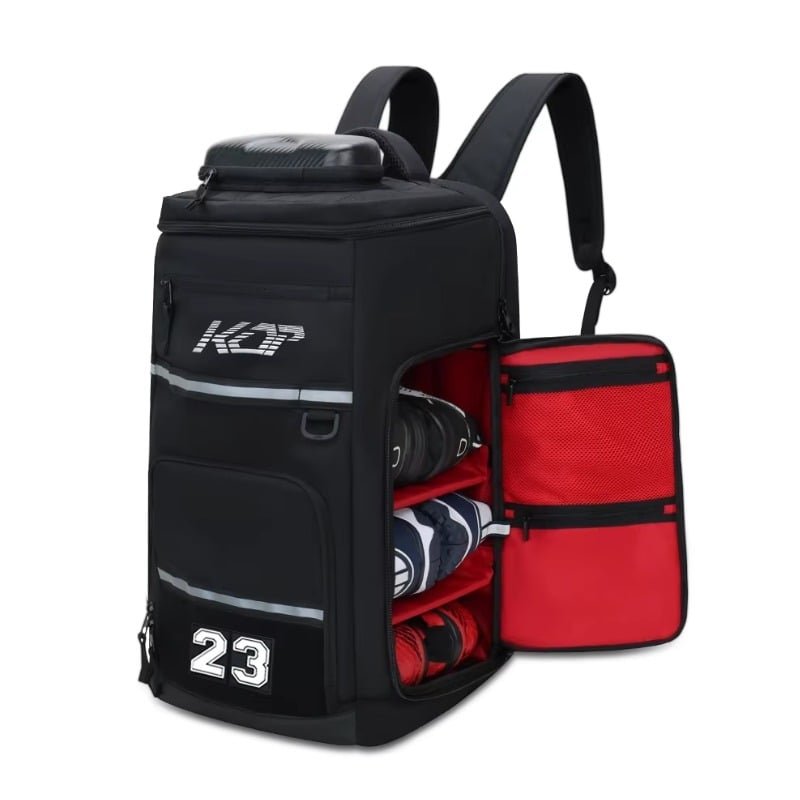
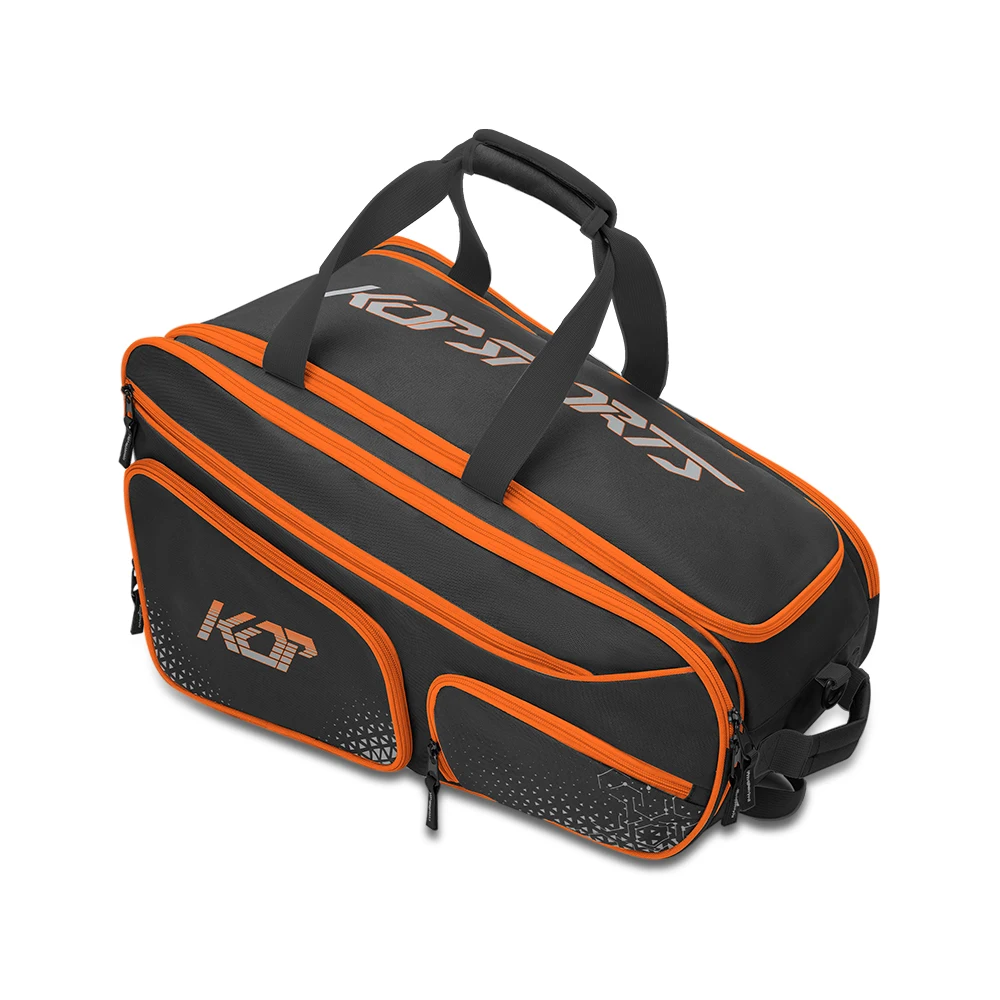
A lacrosse gear bag’s compartment layout directly impacts equipment longevity, accessibility, and pre-game efficiency. Thoughtful engineering prevents damage during transport and eliminates time wasted searching or reorganizing.
End caps absorb impact when shafts shift in transit—reducing head warping by 27%, per NCAA equipment managers (2023). Mesh panels along sleeves promote airflow, preventing moisture buildup that causes wood rot or composite delamination.
Open-cell foam dividers preserve shoulder pad shape while absorbing kinetic energy. Perforated linings increase airflow by 40% compared to solid fabrics (Textile Performance Lab 2022), slowing bacterial growth. Rigid back panels distribute weight evenly—preventing foam compression that degrades protective integrity over time.
This compartmentalized system ensures every piece—from gloves to cleats—retains structural integrity while enabling rapid visual checks. Players spend 18 fewer minutes weekly organizing gear when bags feature intuitive zoning (Athletic Efficiency Report), proving durability and usability aren’t trade-offs—they’re design imperatives.
Elite lacrosse gear bags rely on high density polyester ranging from 600D to 1200D as their main structural component. When manufacturers apply thermoplastic polyurethane (TPU) lamination, they get waterproof protection plus tear resistance while keeping the material flexible even when temperatures drop below freezing point (-20F according to lab tests). This is where standard vinyl coatings fall short since they tend to become brittle in cold weather. The heavier duty 1200D version can handle three times the number of abrasion cycles compared to regular 600D fabric according to Textile Durability Report 2024 findings. That makes 1200D particularly suitable for areas that experience heavy wear such as the bottom of bags and places where straps attach.
Tests show that integrated antimicrobial coatings can cut down on smell producing bacteria by almost 99.7% in just a day according to research from Sports Microbiology Journal back in 2023. The product features laser cut ventilation holes positioned right where pads are stored, allowing air to circulate naturally without making the material weaker. Traditional stitched mesh tends to break down after being bent repeatedly, but these specially made vents actually increase drying speed by around 40% compared to models without any vents at all. This means less chance of mold developing and keeps gear in good condition even when not in active use.
After switching to reinforced lacrosse gear bags, a Massachusetts high school program reduced equipment replacement costs by $2,100 annually. Standard bags previously lasted only 4–6 months before seam failures and zipper breakdowns forced replacements. The durable alternatives survived 2+ seasons of tournament travel and field use thanks to:
This longevity translated directly into 40% fewer purchases—without compromising gear protection.
Controlled lab tests revealed key gaps between theoretical specs and real-world performance:
| Test Type | Lab Results | Field Findings |
|---|---|---|
| Strap Load | 80 lb static hold | 55 lb dynamic load tolerance |
| Zipper Cycles | 15,000 passes | 8,000 with mud/debris exposure |
| Abrasion Resistance | 1,000+ rubs (Martindale) | 300+ turf drags before wear |
Field testing exposed critical failure modes—like side-seam separation under overload and zipper jamming from grass buildup. Top-performing bags now integrate:
These evidence-based refinements enable premium lacrosse gear bags to reliably endure 3+ seasons—even with frequent overpacking and harsh field conditions.

 EN
EN

 Hot News